
Why Dark Wash Jeans Should Be a Staple in Every Man’s Wardrobe
Written by Brandi Hearn
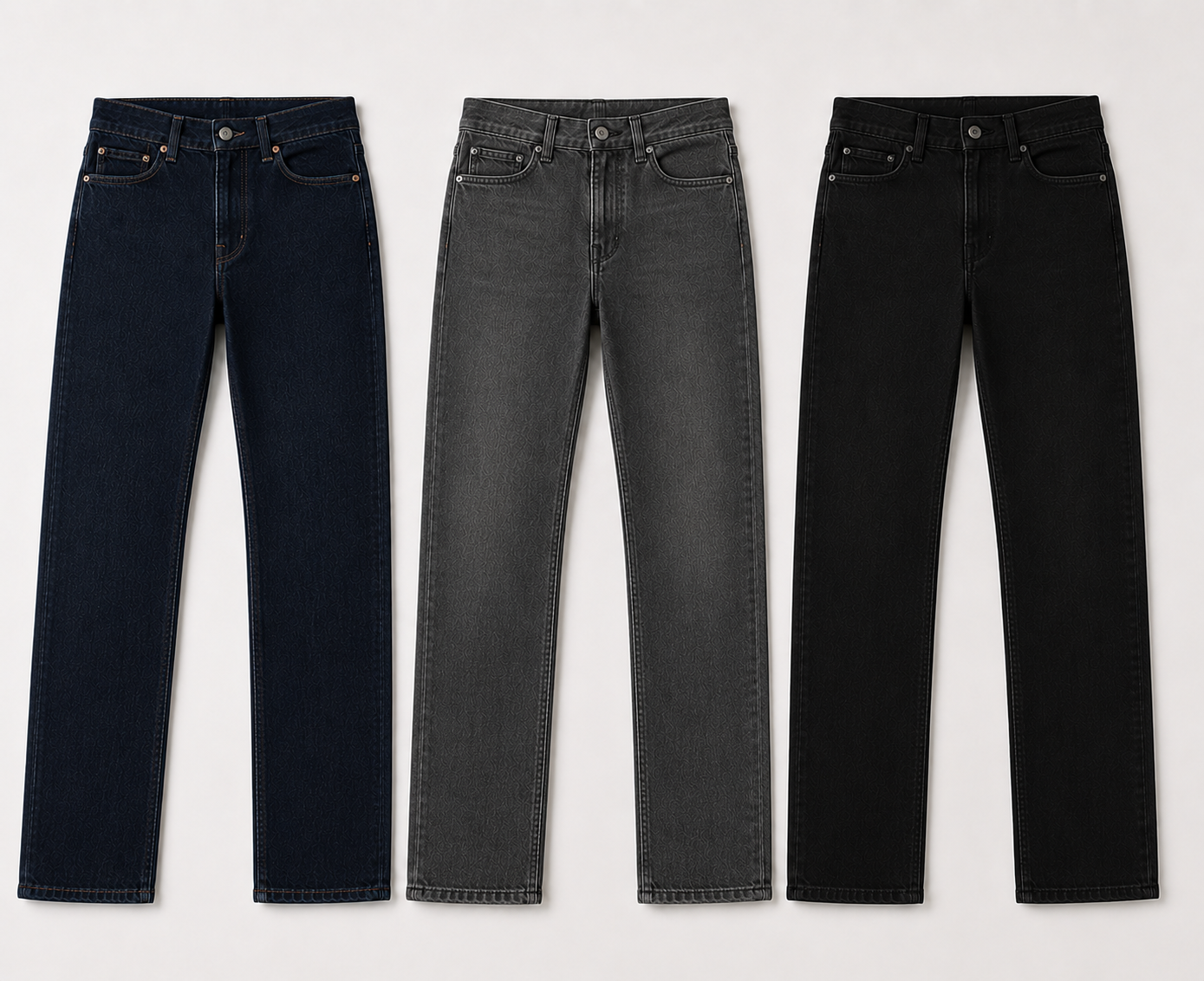
Few pieces work harder in a man’s wardrobe than a good pair of dark wash jeans.
They can take you from a T-shirt and sneakers on the weekend to a knit polo and loafers for dinner. They’re clean, versatile, and easy to build around—which is exactly what I want from a foundational wardrobe piece.
But the wash alone doesn’t make a great pair of jeans. The fit and proportion have to be right for your body.
Here’s what I look for.
1. Start With the Fabric
A little stretch can make denim more comfortable, but too much can work against you.
Jeans with a high percentage of stretch tend to lose their structure faster, particularly through the seat, thighs, and knees. What looked great when you put them on can become noticeably looser after a few hours.
I generally prefer mostly cotton denim with enough stretch for comfort and movement. You get the structure of traditional denim without feeling restricted.
The goal is denim that holds its shape while adapting to your body, rather than clinging to it.
2. For Slim to Average Builds
If you have a slimmer or more proportionate frame, a slim or tailored cut with a subtle taper is often a good starting point.
You want enough room through the seat and thigh to move comfortably, with the leg gradually narrowing from the knee down.
That doesn't mean skinny.
Jeans shouldn't grip your legs from hip to ankle, but they also shouldn't have so much excess fabric that your frame gets lost.
Think clean and streamlined—not tight.
3. For Athletic or Larger Builds
If you have more size through your seat and thighs, forcing yourself into a traditional slim fit usually isn't the answer.
Look for a straight, athletic, or relaxed-taper fit that gives you the room you need through the upper leg while maintaining a clean line toward the ankle.
This is where proportion becomes especially important. You don't want jeans that are tight through the thigh and excessively loose below the knee—or so wide throughout that they add unnecessary volume.
The waistband should also sit securely without relying on your belt to hold everything in place.
Your jeans should work with your proportions, not fight against them.
4. Pay Attention to the Rise
Rise is one of the most overlooked parts of jean fit.
Too low, and the jeans can throw off your proportions and feel uncomfortable when sitting. Too high, and they may not feel natural for your build or personal style.
For many men, a mid-rise is a strong starting point because it creates a balanced line through the torso and legs.
But like everything else with fit, there isn't one rise that's right for every man. Your height, torso length, build, and where you naturally wear your trousers all matter.
5. Get the Length Right
One of the quickest ways to improve how your jeans look is to address the length.
Excess denim stacking heavily around your ankles interrupts the line of your leg and can make the entire outfit feel less polished.
Depending on the cut and the shoes you're wearing, I generally want a clean hem with little to no unnecessary stacking.
If the jeans fit everywhere else but they're too long, don't keep searching for another pair. Have them hemmed.
It's a small alteration that can completely change the way the jeans sit on your body.
A Quick Dark Denim Fit Check
Before keeping a pair, look at the entire silhouette:
Waist: Secure without depending on a belt
Seat: Clean without sagging or pulling
Thighs: Enough room to move without excessive fabric
Knee to ankle: A clean line that works with your proportions
Length: Minimal unnecessary stacking
Fabric: Enough structure to hold its shape throughout the day
And don't get overly attached to the size printed on the label. A 34 in one brand may fit completely differently from a 34 in another. Judge the jeans by how they fit your body, not by the number.
The Final Take
Dark wash denim earns its place in a wardrobe because of its range.
Wear it with a great T-shirt and sneakers. Add a sweater or casual jacket. Dress it up with a polo and loafers. In the right setting, it can even work with a sport coat.
That kind of versatility is what allows a wardrobe to move more easily between different parts of your life. I talk more about building that flexibility into your wardrobe in How to Transition Your Wardrobe From Work to Weekend Seamlessly.
But that versatility starts with getting the fit right.
Choose the cut for your proportions, keep the wash clean, get the length right, and prioritize structure over excessive stretch.
When your denim fits properly, you don't have to work nearly as hard to make the rest of the outfit look good.
Find the Fit That Works for You
If you're tired of buying jeans—or anything else—based on a size or fit name that never seems to translate from one brand to the next, book a Private Consultation.
Through the Private Wardrobe Advisory, we'll determine the fits, proportions, brands, and pieces that work for your body and lifestyle, so getting dressed requires far less guesswork.

BRANDI HEARN
Strategic Wardrobe Advisor · Los Angeles
Brandi Hearn is a Strategic Wardrobe Advisor with more than a decade of experience helping accomplished men build intentional wardrobes around their careers, lifestyles, and how they want to show up.