
Written by Brandi Hearn
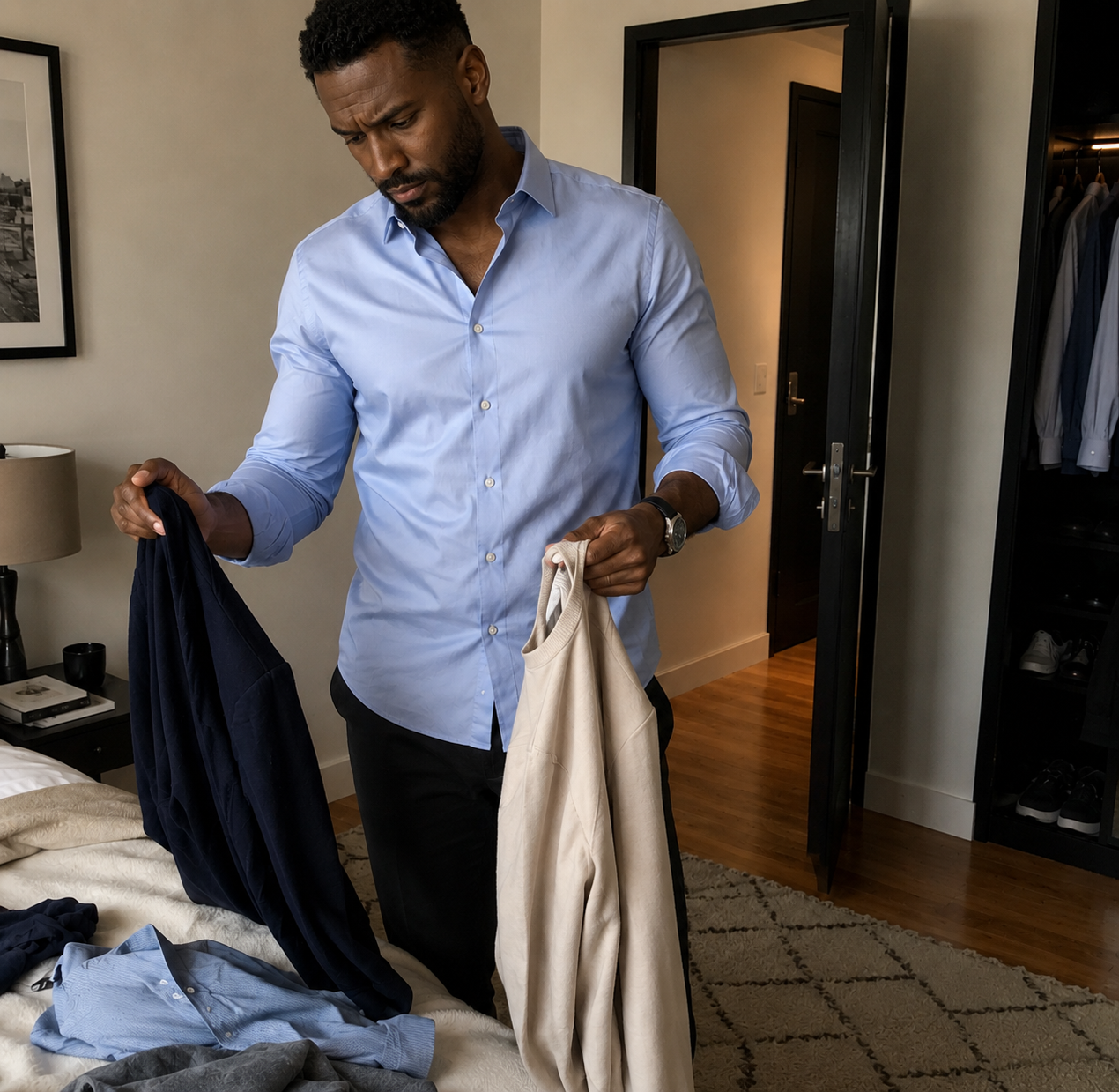
Dressing well doesn’t need to be complicated.
Most of the time, it comes down to understanding where you’re going, what the setting calls for, and how to make that work with your personal style.
What you wear to the office shouldn’t necessarily be what you wear to dinner. What works for a formal event probably isn’t what you want to travel in. But that doesn’t mean you need a completely separate wardrobe for every part of your life.
The goal is to have the right foundation—and know how to adjust it for the occasion.
Think of each setting as having its own style language. Once you understand the basics, getting dressed for almost any situation becomes considerably easier.
1. At the Office
Professional style is about balance.
You want to look polished and appropriate for your environment without feeling stiff, overdressed, or like you’re wearing a uniform that doesn’t feel like you.
Key pieces:
Tailored blazer
Crisp dress shirt or elevated polo
Well-fitting trousers
Polished leather shoes or loafers
Quality belt and watch
Start with simple, versatile colors like navy, charcoal, grey, white, and light blue. They give you a foundation that works across different combinations without requiring much thought.
From there, personality can come through in smaller details—a textured tie, an interesting knit, a subtle pattern, or a great watch.
If you're rebuilding your work wardrobe, these 12 essential pieces for a professional wardrobe are a good place to start.
The goal isn't to look overly formal.
It's to look like you understand the room you're walking into.
2. Off the Clock
Casual is where a lot of men either overthink things or stop thinking about them entirely.
Neither is necessary.
A simple T-shirt, dark denim, and sneakers can look incredibly put together when the fit, proportion, and condition of each piece are right.
Key pieces:
Well-fitting polo or T-shirt
Dark denim or chinos
Clean sneakers or loafers
Lightweight bomber, overshirt, or casual jacket
You don't need much to elevate a casual outfit.
A quality belt. Better shoes. A jacket with some structure. Sunglasses that suit your face.
And above everything else, pay attention to fit. Even the simplest clothing looks considerably better when your clothes fit the way they should.
Casual should feel relaxed. It shouldn't look careless.
3. On a Date
Getting dressed for a date is less about impressing someone with your clothes and more about showing that you made an effort.
You want to look like yourself—just slightly more considered.
Key pieces:
Dark denim or tailored chinos
Well-fitting button-down, polo, or knit
Soft blazer, suede jacket, or bomber
Loafers, Chelsea boots, or clean minimal sneakers
This is also a good opportunity to introduce a little more personality.
Maybe that's a textured jacket, an interesting shirt, great eyewear, or a pair of shoes that gives the outfit more character.
You don't need all of those things at once.
One interesting element is usually enough.
For a more specific outfit formula, here's how I recommend dressing for an evening date.
4. Formal Events
Formal occasions actually become easier once you stop trying to make the outfit interesting for the sake of being interesting.
Start with excellent fit.
Then keep everything else clean.
Key pieces:
Well-tailored suit
Crisp dress shirt
Polished leather shoes
Coordinating belt
Tie when appropriate
Optional pocket square
Navy and charcoal will handle the majority of occasions. Black has its place depending on the event and level of formality.
What matters more than adding something distinctive is making sure the fundamentals are right.
Your jacket should sit cleanly through the shoulders. Your trousers should fall properly. Your shirt collar should frame your face well. Your shoes should be polished and appropriate for the suit.
When the fit is right, you don't need much else competing for attention.
5. Traveling or Away for the Weekend
Travel is one of the best examples of why versatility matters.
You don't want to bring a separate outfit for every possible situation. You want pieces that can shift depending on where the day takes you.
Key pieces:
Soft cotton, knit, or linen shirts
Chinos or versatile trousers
Dark denim
Low-profile sneakers or loafers
Lightweight knitwear
A casual jacket or unstructured blazer
The easiest way to make this work is to keep the color palette cohesive.
If your trousers, shirts, jackets, and shoes naturally coordinate, you can create several outfits from a relatively small number of pieces.
Accessories should be useful too. A quality pair of sunglasses, a versatile watch, and a streamlined leather or canvas bag can finish the outfit without taking up much space.
The same principle applies when you're packing. A well-planned travel wardrobe gives you more combinations without requiring you to bring more clothes.
Pack for versatility, not for every possible scenario.
The Real Goal: A Wardrobe That Moves With Your Life
Dressing appropriately for different situations doesn't mean becoming a different person every time you change clothes.
And it doesn't require five completely separate wardrobes.
A well-built wardrobe should give you enough range to move from work to dinner, travel to weekends, and casual settings to more formal occasions without constantly starting from scratch.
That's why I focus so much on versatility when building a wardrobe as a complete system.
The same pair of trousers might work for the office and dinner. A great jacket can elevate denim or complement tailored trousers. The right shirt can move between professional and social settings simply by changing what you wear around it.
That's when a wardrobe starts working for you.
Final Thought
You don't need to memorize a different set of style rules for every situation.
You need to understand a few things:
Where you're going
What the occasion requires
What works for your body and personal style
How the pieces in your wardrobe work together
Once those things are clear, getting dressed becomes much more intuitive.
You know when to elevate the outfit. You know when you can relax it. And you have enough versatility in your wardrobe to do both without overthinking it.
For men who want that kind of versatility built into their wardrobe from the beginning, my Private Wardrobe Advisory is designed around the full picture—your career, lifestyle, proportions, preferences, and the situations you actually need to dress for.
The goal isn't to have something to wear for every situation.
It's to have a wardrobe that already knows how to get you there.
Build a Wardrobe That Works Wherever You’re Going
If you want a wardrobe that makes dressing for work, travel, dinners, weekends, and everything in between easier, book a Private Consultation.
We’ll talk through your wardrobe, what isn’t working, and what you need to create a more intentional wardrobe that supports the way you actually live.
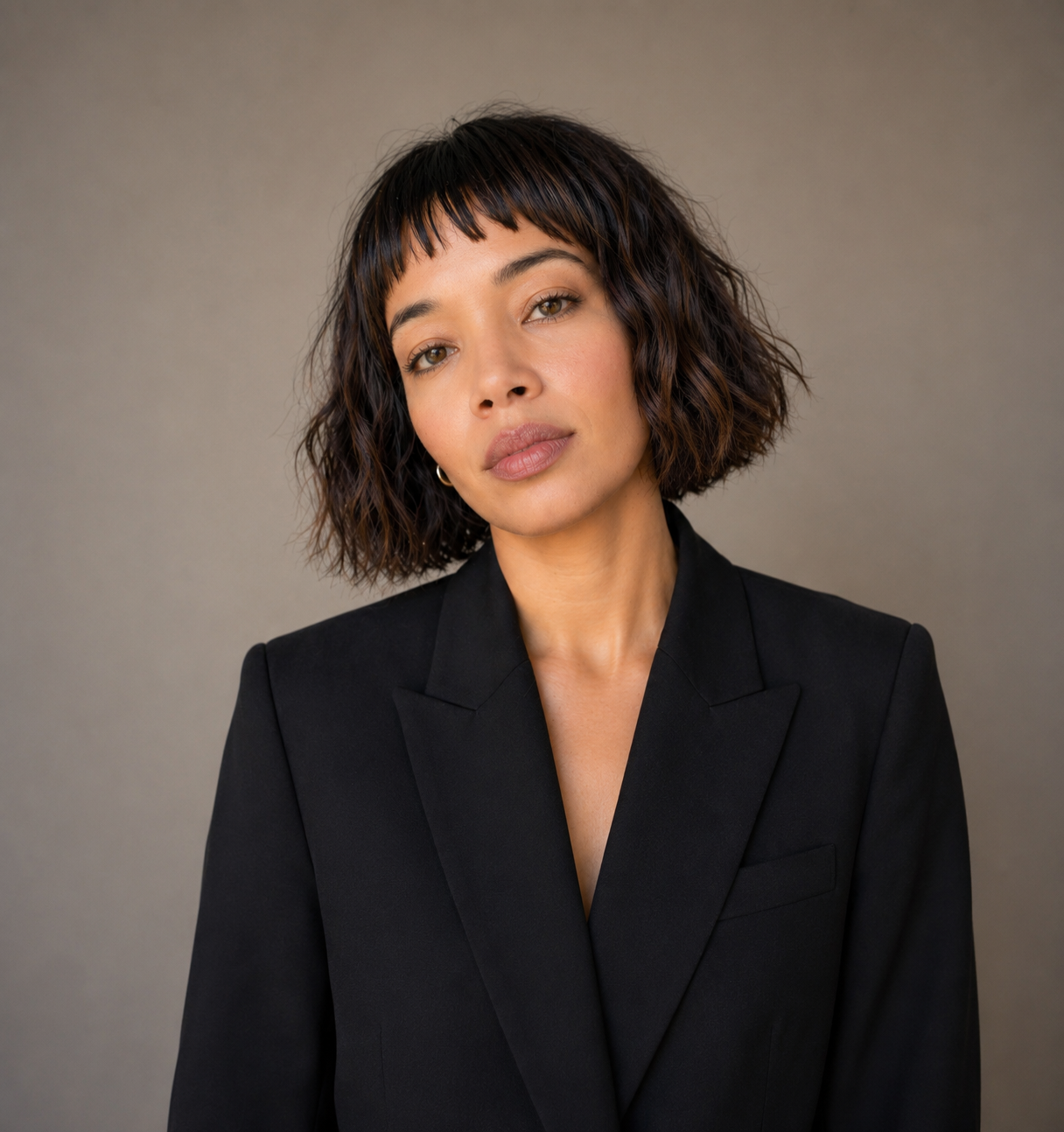
BRANDI HEARN
Strategic Wardrobe Advisor · Los Angeles
Brandi Hearn is a Strategic Wardrobe Advisor with more than a decade of experience helping accomplished men build intentional wardrobes around their careers, lifestyles, and how they want to show up.