
Written by Brandi Hearn
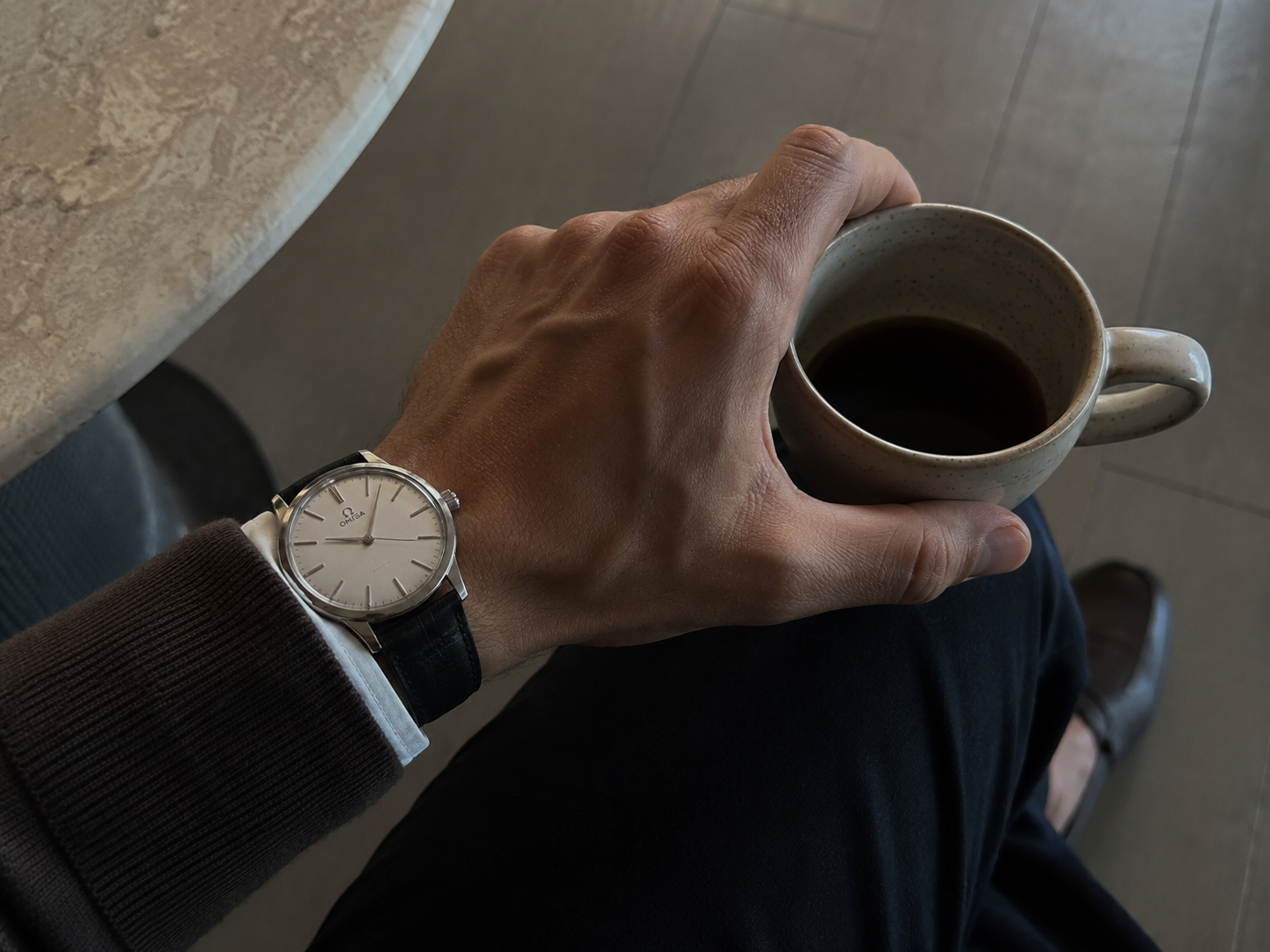
A watch may be a small part of what you're wearing, but it's one of those details that can change how finished an outfit feels.
The right watch complements your clothing without demanding attention. The wrong one can feel disconnected from everything around it.
And like most accessories, you don't need a large collection to get it right.
For most men, a couple of well-chosen watches that fit properly and work across their lifestyle are far more useful than a drawer full of options.
Here's what I consider when choosing watches for a client's wardrobe.
1. Start With the Fit
Before considering the brand, movement, or price, look at how the watch actually sits on your wrist.
The case should feel proportionate to your wrist and frame—not so large that it dominates your arm and not so small that it disappears.
The strap or bracelet should also sit securely.
Too tight: It digs into the wrist and looks uncomfortable.
Too loose: It slides around and can make an otherwise polished look feel careless.
Just right: It stays comfortably in place without restricting your wrist.
If you're wearing a dress watch with a shirt or suit, it should also be slim enough to sit comfortably underneath your cuff.
Think about watch fit the same way you think about clothing fit: proportion matters.
2. Let the Outfit Guide the Watch
Not every watch needs to work with every outfit.
The question is whether the watch makes sense with the level of formality and overall character of what you're wearing.
For more formal or professional settings, I generally prefer something restrained:
Slimmer case
Clean dial
Leather strap or refined bracelet
Minimal detailing
For casual settings, you have more freedom:
Metal bracelets
Sport watches
Chronographs
More substantial cases
Rubber or fabric straps when appropriate
A sportier watch can look great with denim, chinos, polos, knitwear, and casual jackets. A refined dress watch can complement tailoring while still working with elevated casual clothing.
Just as shoes should relate to the trousers you're wearing, your watch should relate to the rest of the outfit.
3. Understand Dress Watches vs. Sport Watches
You don't need to become a watch expert, but understanding the basic distinction makes choosing one much easier.
Dress watches tend to be cleaner and more understated. They're particularly useful with suits, tailoring, business attire, weddings, and formal occasions.
Sport watches tend to have more visual weight and functionality. They're natural partners for denim, chinos, polos, knitwear, casual jackets, and more relaxed clothing.
Then there's plenty in between.
Many modern watches can move comfortably across smart-casual and professional settings, which makes them particularly valuable in a streamlined wardrobe.
Versatility matters more than having a watch for every possible occasion.
4. Pay Attention to the Strap
Changing the strap can change the character of a watch considerably.
Leather tends to feel more refined and traditional. Black and dark brown are particularly versatile when they connect with the other leather in your wardrobe.
Metal bracelets can range from sporty to highly refined depending on the watch itself, making them useful for everyday wear.
Rubber and fabric straps typically move the watch in a more casual or sport-oriented direction.
You don't have to perfectly match every metal and leather detail you're wearing, but they should feel related.
The same principle applies to the other finishing pieces you wear. As I explain in why accessories matter for men, the details should support the outfit rather than compete for attention.
5. Consider Your Proportions
Watch size isn't just a matter of what's currently popular.
A large case on a smaller wrist can overwhelm the arm. A very small watch on a larger man can sometimes feel visually out of proportion.
Look at the relationship between:
Case diameter
Case thickness
Wrist size
Strap width
Your overall frame
You also need to consider what you typically wear.
If you're frequently in tailored clothing, a slimmer profile may integrate more naturally. If your wardrobe is predominantly casual and substantial, you may have more room for a sportier watch.
The watch should look like it belongs to you—not like you're wearing it because a particular size happens to be trending.
6. How Many Watches Do You Actually Need?
For most men, two thoughtfully chosen watches can cover a significant portion of their wardrobe.
A useful starting point is:
One refined watch
Something clean and understated for professional settings, tailoring, dinners, weddings, and more polished occasions.
One everyday watch
Something versatile enough for denim, chinos, polos, casual jackets, travel, and weekends.
From there, add watches because there's a genuine reason to—not because you feel like you're supposed to have a collection.
Maybe that's a sport watch for an active lifestyle. Maybe it's a milestone piece that has personal significance. Maybe watches are something you genuinely enjoy collecting.
But from a wardrobe standpoint, more isn't automatically better.
The Bottom Line
A great watch doesn't need to announce itself.
It should look proportionate on your wrist, make sense with your clothing, and feel natural for the environments you're dressing for.
That's what makes it valuable.
Fit. Proportion. Formality. Versatility.
Get those elements right and your watch becomes what a good accessory should be: a finishing detail that strengthens the entire look.
Build the Details Into the Bigger Picture
Your watch is only one part of your wardrobe. The strongest results happen when your clothing, shoes, accessories, fit, and proportions all work together.
If you're ready to build that level of cohesion into your wardrobe, book a Private Consultation and explore how the Private Wardrobe Advisory can be built around your lifestyle, proportions, preferences, and professional needs.

BRANDI HEARN
Strategic Wardrobe Advisor · Los Angeles
Brandi Hearn is a Strategic Wardrobe Advisor with more than a decade of experience helping accomplished men build intentional wardrobes around their careers, lifestyles, and how they want to show up.