
How Men's Clothes Should Fit: The Complete Guide
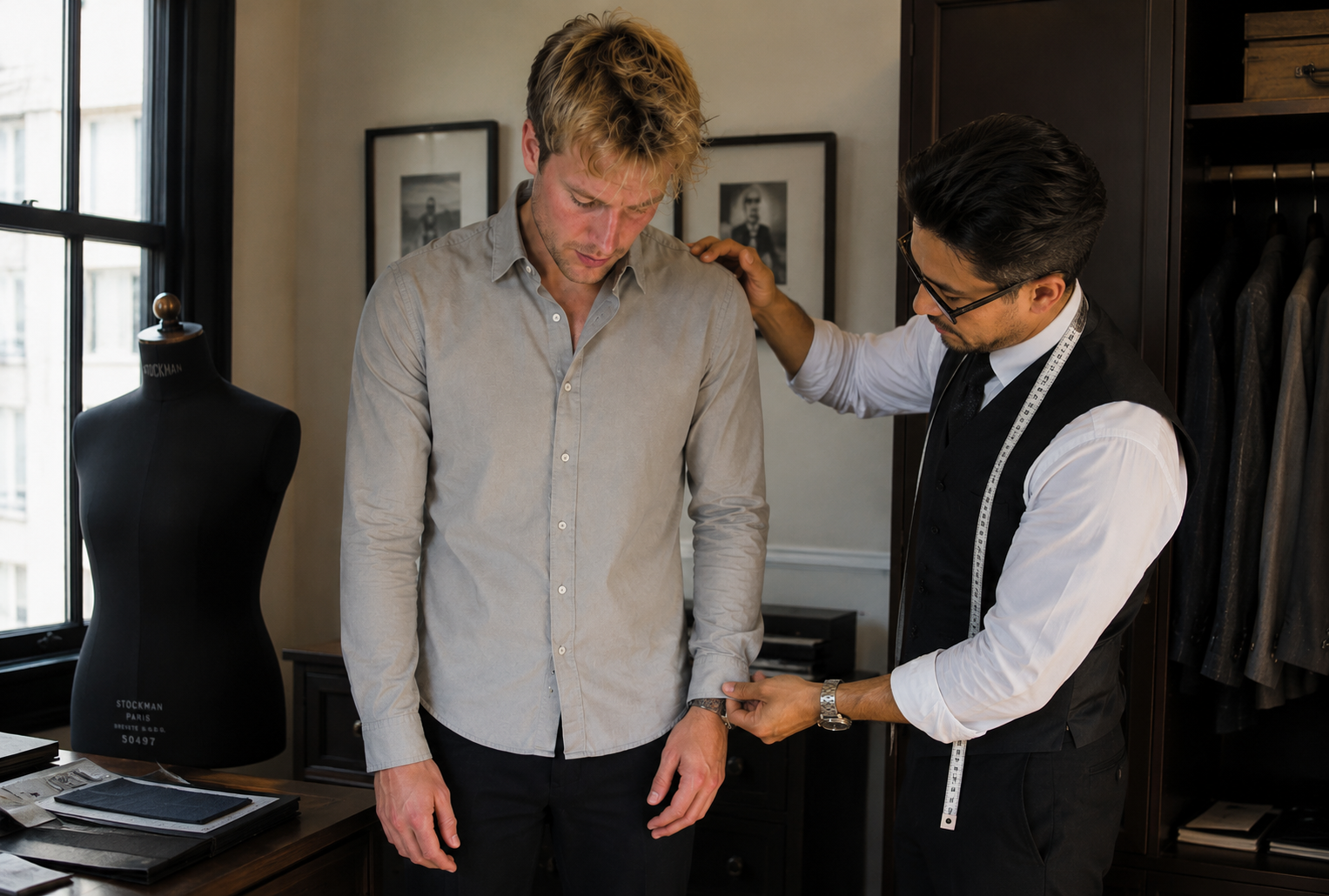
How Men's Clothes Should Fit: The Foundation of a Better Wardrobe
Whether you're building a new wardrobe or simply trying to get more out of the clothes you already own, fit is the best place to start.
A lot of men assume that if something feels comfortable, it fits well. But that's not always the case. Clothing can feel comfortable while still looking too big, too tight, or out of proportion. And because we see ourselves every day, it's easy to miss the small details that affect how we're perceived.
The good news is you don't need an expensive wardrobe to look more put together. You just need clothes that fit you properly.
In this guide, I'll walk you through how everything from T-shirts and dress shirts to jackets, trousers, and jeans should fit, so you can build a wardrobe that looks intentional and makes getting dressed easier.
Why Fit Matters More Than Brand
The first thing people notice about your outfit isn't the brand.
It's how it fits.
Clothes that fit well communicate confidence, attention to detail, and professionalism. On the other hand, clothes that are too large, too tight, or poorly proportioned can take away from your appearance, no matter how much they cost.
After more than a decade of working with clients, one thing has stayed consistent: the men who make the strongest impression rarely have the biggest wardrobes. They have wardrobes built around proper fit.
How a T-Shirt Should Fit
A great T-shirt should skim your body without clinging to it.
Here's what to look for:
The shoulder seam ends at your natural shoulder.
The sleeves hit around the middle of your bicep without flaring out.
The chest lies flat without stretching.
The body follows your frame without feeling tight.
The length falls around the middle of your zipper, so it works tucked or untucked.
If your T-shirt hangs like a box or billows around your waist, it's probably too large.
If it's pulling across your chest or stomach, try sizing up or choosing a different fit.
How a Dress Shirt Should Fit
A dress shirt should create clean lines while still allowing you to move comfortably.
Collar
You should be able to fit one or two fingers comfortably between your neck and the collar.
Shoulders
The shoulder seam should sit right at the edge of your shoulders. This is one of the hardest areas to alter, so it's important to get right from the start.
Chest
The buttons should lie flat. If they're pulling apart when you move, the shirt is too tight.
Waist
The shirt should lightly follow your torso without excess fabric ballooning around your waist.
Sleeves
The cuffs should end at your wrist bone. When you're wearing a jacket, about a quarter to half an inch of shirt cuff should be visible.
How a Polo Shirt Should Fit
A polo should feel clean and refined, not oversized.
Look for:
A structured collar that sits neatly.
Sleeves ending around the middle of your bicep.
A body that follows your shape without clinging.
Enough length to stay tucked if needed while still looking clean untucked.
Avoid polos with oversized sleeves or extra fabric around the waist. They can make the entire outfit feel less polished.
How a Jacket or Blazer Should Fit
A well-fitting jacket instantly elevates your appearance.
Shoulders
The jacket should sit naturally without extending past your shoulders or creating divots.
Chest
When buttoned, it should lightly shape your torso without pulling.
Sleeves
Your jacket sleeve should end just above your wrist bone, leaving about a quarter to half an inch of your shirt cuff visible.
Length
The jacket should generally cover your seat and fall around the midpoint of your hand when your arms are relaxed.
How Suit Trousers Should Fit
Well-fitting trousers create a cleaner silhouette and help balance your entire outfit.
Look for:
A waist that stays in place without relying on a belt.
A seat that lies smoothly without pulling.
Legs that skim the body without feeling tight.
A slight break or no break, depending on your preference.
If fabric is pooling around your shoes, the trousers are likely too long.
How Jeans Should Fit
Jeans should be comfortable enough for everyday wear while still looking clean.
The waist should stay secure without constant adjustment.
The thighs should give you room to move without looking baggy.
The leg opening should complement your shoes rather than bunch around them.
A great pair of dark, well-fitting jeans is still one of the most versatile pieces you can own.
The Most Common Fit Mistakes Men Make
Even high-quality wardrobes can fall short if the fit isn't right.
Some of the most common mistakes I see are:
Shoulder seams extending beyond the shoulders.
Shirts ballooning around the waist.
Sleeves covering most of the hands.
Jackets creating an "X" when buttoned.
Pants stacking heavily around the ankles.
Buying oversized clothes because they feel more comfortable.
Holding onto clothes that fit years ago instead of how your body fits today.
The good news is many of these problems can be solved with simple alterations or by choosing a better cut.
Don't Get Attached to the Size on the Label
One of the biggest mistakes men make is focusing on the number or letter on the tag.
Sizing varies from brand to brand.
A medium in one company might fit like a large in another.
Instead of chasing a certain size, pay attention to how the garment actually fits your body. No one else is going to see the label inside your shirt.
When Tailoring Is Worth It
Tailoring is one of the smartest investments you can make.
A good tailor can often improve:
Sleeve length
Trouser length
Shirt tapering
Waist suppression
Jacket sleeve adjustments
What tailoring usually can't fix is poorly fitting shoulders, so always make sure the shoulders fit correctly before buying jackets or shirts.
Final Thoughts
If you're wondering how men's clothes should fit, the answer is actually pretty simple: your clothes should follow the natural shape of your body without feeling restrictive or looking oversized.
When your clothes fit well, your wardrobe becomes more versatile, getting dressed takes less effort, and you naturally project more confidence.
That's why fit is always the first thing I address with every client. Before we talk about brands, colors, or shopping, we make sure the foundation is right. Once the fit is right, everything else becomes much easier.
A great wardrobe doesn't have to be large.
It just has to fit—and work.

Brandi is a Wardrobe Strategist & advisor with over a decade of experience helping men show up with confidence and ease. She offers tailored style solutions that take the guesswork out of getting dressed—so you look sharp and feel great, no matter the occasion.
Start Dressing Right, Not Just Well
If your wardrobe isn’t reflecting the level of responsibility you carry—or the rooms you lead—let’s fix that. I help men build wardrobes that work as hard as they do: intentional, aligned, and effortless.
Book a strategy session today and start dressing at the level you operate.