
Written by Brandi Hearn
Looking sharp isn’t about chasing trends or spending more on clothes.
More often, it comes down to the small details most men overlook—how your clothes fit, how you care for them, and whether the pieces in your wardrobe actually work together.
These aren't major changes. But collectively, they can make the difference between looking fine and looking consistently put together.
1. Get the Fit Right First
You can buy the best clothes in the world, but if the fit is off, the rest doesn't matter much.
Too tight and your clothes pull across the body. Too loose and you lose shape and proportion. The goal is clothing that follows your frame without clinging to it or adding unnecessary volume.
Take a T-shirt. The shoulder seam should sit where your natural shoulder ends, the body should skim your torso, and the length should work with your proportions.
The same principle applies to everything from denim to tailoring.
Before replacing a piece you don't like, ask yourself whether the real problem is the garment—or the fit. Sometimes a small alteration is all it needs.
2. Take Care of What You Own
Buying quality clothing is only half of the equation. You also have to maintain it.
A few habits go a long way:
Fold heavier sweaters and knits rather than hanging them
Use supportive hangers for jackets and tailoring
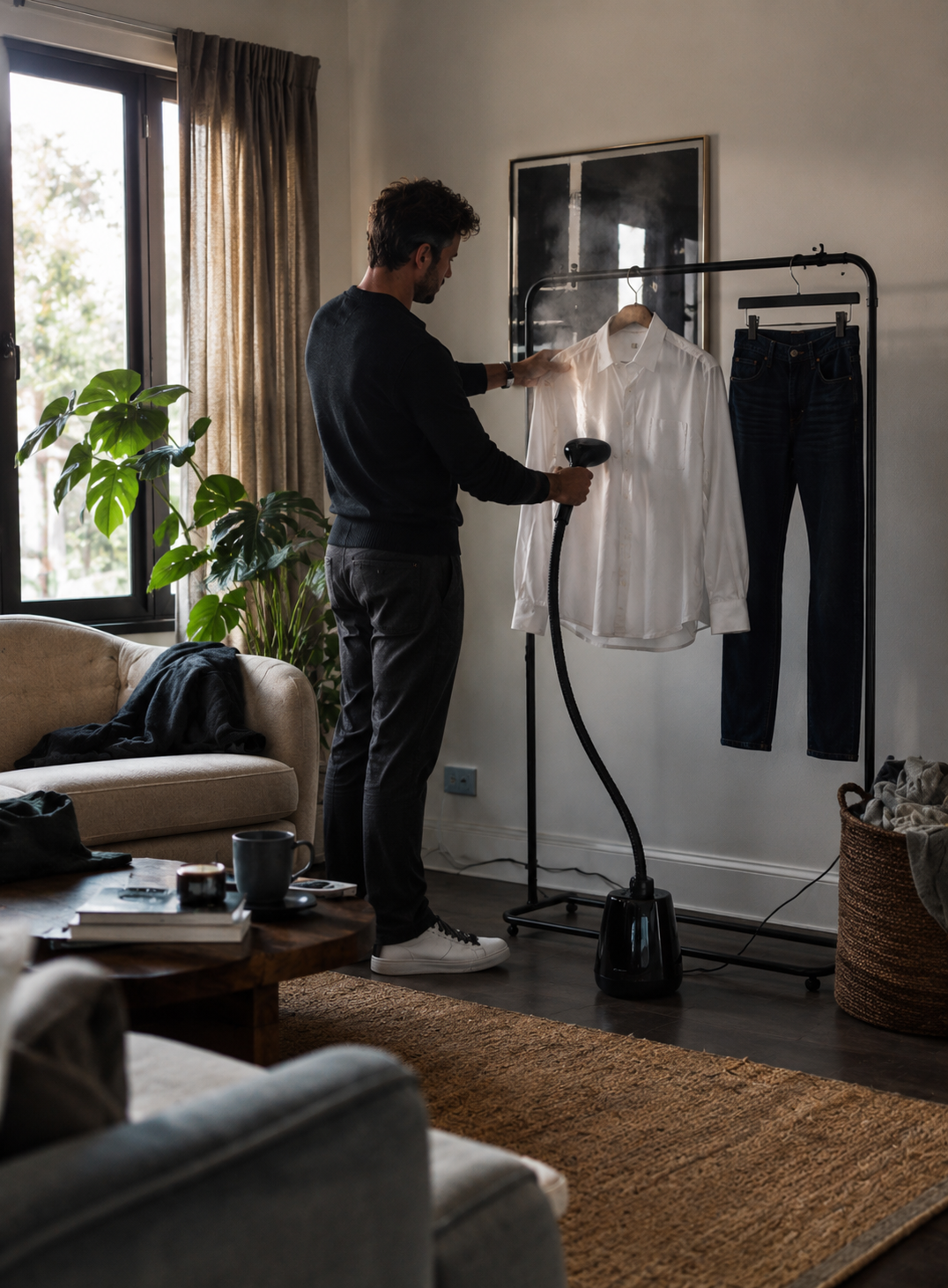
Steam garments instead of repeatedly washing them when appropriate
Clean and condition leather shoes
Address loose buttons, small tears, and worn heels before they become bigger problems
Good maintenance can also mean you don't have to replace pieces as often. Knowing how to properly care for your clothes helps protect the pieces you've invested in and keeps the entire wardrobe looking sharper for longer.
You don't need to obsess over your clothes. You just want them to look as good on the fiftieth wear as they did on the fifth.
3. Keep Your Accessories Considered
Accessories should finish an outfit, not compete with it.
You don't need a drawer full of them. A few well-chosen pieces will take you much further:
A quality everyday watch
Sunglasses that complement your face
Black and brown leather belts
A streamlined wallet or card case
A structured work or travel bag
Start with pieces that work across multiple outfits before adding anything more distinctive.
The details don't need to demand attention. They should make the entire look feel complete.
4. Keep a Fabric Shaver Nearby
This is one of the easiest wardrobe-care tools to overlook.
Sweaters, coats, knit polos, and other textured fabrics naturally develop pilling over time. That doesn't necessarily mean the garment needs replacing.
A few minutes with a fabric shaver can remove that surface fuzz and make a well-loved piece look considerably fresher.
The same goes for a steamer, lint roller, and shoe-care kit.
They're not exciting purchases, but they can extend the life of the clothes you've already invested in.
5. Get Your Foundation Right Before Adding More
It's tempting to buy the interesting jacket, patterned shirt, or latest pair of shoes.
But if your wardrobe is missing the pieces you rely on every week, start there.
For many men, that foundation might include:
Everyday
Quality neutral T-shirts
Dark, clean denim
Tailored chinos or trousers
Minimal leather sneakers
A versatile casual jacket
More Polished
Navy or charcoal tailoring
White and light blue shirts
A blazer or sport coat
Leather loafers, Derbies, or Oxfords
Black and brown leather belts
Your exact list should depend on your lifestyle. Someone working in a casual creative environment needs a different wardrobe from someone regularly meeting clients in a traditional professional setting.
The point isn't to own every "essential." It's to have the essentials that are actually essential to you.
6. Know When You Need a Second Set of Eyes
Sometimes the problem isn't that you don't know how to dress.
You've just accumulated clothes over the years without a clear strategy behind them.
You may have shirts you like, trousers that fit, and several good jackets—but very few combinations that feel right when you put everything together.
That's where an outside perspective can be useful.
A wardrobe advisor can help you determine what already works, what needs adjusting, what's actually missing, and where your money is better spent.
For a busy professional, that can mean less shopping, fewer mistakes, and a wardrobe that's much easier to navigate.
The Final Take
Looking consistently well-dressed rarely comes down to one major purchase.
It's usually the accumulation of smaller decisions: better fit, proper garment care, thoughtful accessories, strong foundational pieces, and knowing what belongs in your wardrobe in the first place.
Get those things right and you don't have to think nearly as hard about what you're wearing.
Your wardrobe starts doing more of the work for you.

BRANDI HEARN
Strategic Wardrobe Advisor · Los Angeles
Brandi Hearn is a Strategic Wardrobe Advisor with more than a decade of experience helping accomplished men build intentional wardrobes around their careers, lifestyles, and how they want to show up.